Currency
GBP - British Pound


Training with a thicker grip, in some shape or form, has always been a fundamental aspect of strength training origins. Many seasoned readers might recall items like thick-grip circus dumbbells, Apollon's Wheels/Axle (2 train wheels and axle), and so on.
This method, though not new, has been gaining traction again over the past 20-years. It's a simple concept: use a thicker bar for your lifts.
But why would you do that?
The answer lies in the challenge it presents. A thicker bar means a tougher grip, leading to increased muscle activation and greater strength.
So, are you ready to maximise your gains with fat bar training? Let's get started.
Fat bar training is a method of strength training that uses a thicker bar.
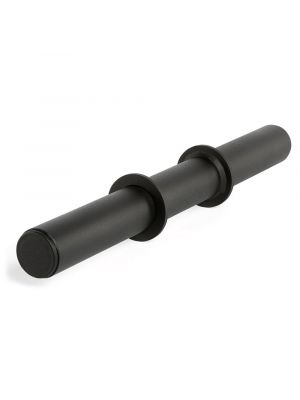
This type of bar, also known as a thick bar or fat bar, is typically nearly twice the diameter of a standard barbell. The increased thickness makes it harder to grip, which in turn activates more muscles during your workout. Whether you're lifting, pressing, or curling, fat bar training can add a new level of intensity to your routine. It's a simple change, but one that can yield significant results.
Training with fat bars brings a variety of advantages that can boost your total fitness level. Besides the obvious need for grip strength in fat bar exercises (your forearm flexors will puff up like Popeye's!), one factor that is frequently ignored is the way a fat bar modifies the dynamics of a lift. This often necessitates more precise and controlled movements, thereby engaging more overall muscle control instead of just relying on the raw strength of the primary muscles.
Considering this, for general strength training or bodybuilding, incorporating fat bar training wisely into your gym workout routine can be a beneficial strategy. It can help lower the risk of injury and potentially aid in improving your physique. The thicker bar distributes the weight more evenly across your hands and wrists, reducing the strain on these areas. This can be particularly beneficial for those with previous wrist or elbow injuries.
Here are some key benefits of fat bar training:
Incorporating fat bar training into your routine can provide a new challenge and help you break through plateaus. Whether you're a beginner or an experienced lifter, fat bar training can help you maximise your gains.
Fat bars and standard bars differ primarily in their diameter. A standard bar typically has a diameter of about 1 inch, while a fat bar's diameter can range from 2 to 3 inches. This increased thickness makes the bar harder to grip, thereby increasing the challenge of your workout.
The larger diameter of fat bars forces your hands and forearms to work harder to maintain grip. This leads to increased muscle activation and improved grip strength. Whether you're looking to enhance your grip or add a new challenge to your workouts, fat bars can be a great addition to your training routine.
Incorporating fat bar training into your routine doesn't have to be complicated. You can start by replacing your standard bar with a fat bar for certain exercises. This could be for your deadlifts, bench presses, or bicep curls.
Remember, the key is to start slow and gradually increase the intensity. You might find that you can't lift as much weight with a fat bar as you can with a standard one. That's okay. The goal here is to improve your grip strength and muscle activation, not to lift the heaviest weight possible.
Here are a few exercises you can start with:
As you become more comfortable with the fat bar, you can incorporate it into additional exercises. You can also increase the amount of weight you use as you improve. Remember, consistency is key when it comes to seeing results with fat bar training.
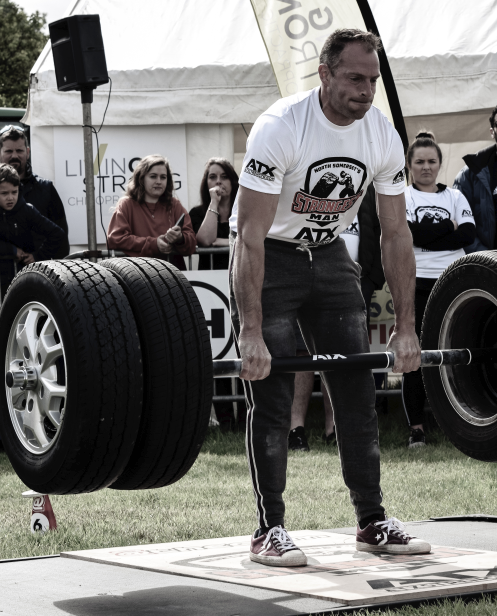
Modern-day strongman contests changed thanks to athletes like Magnús Ver Magnússon. They began doing classic strongman workouts like Farmers Walk and Barrel Throw, not just static lifts (power lifts). They also added events like Draft Horse Pull with trucks and planes. This made the contests more functional and exciting, bringing back the classic strongman feel.
Having strong grip strength is important for overall strength and health. It is commonly seen in strongman competitions and is also beneficial for general training.
If you're not ready to invest in a fat bar, there are affordable alternatives available. Fat Gripz and Globe Gripz are two popular options. These are attachments that you can add to your standard bar to increase its diameter.
Fat Gripz are cylindrical, while Globe Gripz have a spherical shape. Both tools are made to make your grip harder during workouts. Globe Gripz are ergonomically designed and allow you to change your grip angle. They're portable, easy to use, and can be added to any standard barbell, dumbbell, or pull-up bar. This makes them a versatile and cost-effective option for incorporating fat bar training into your routine.
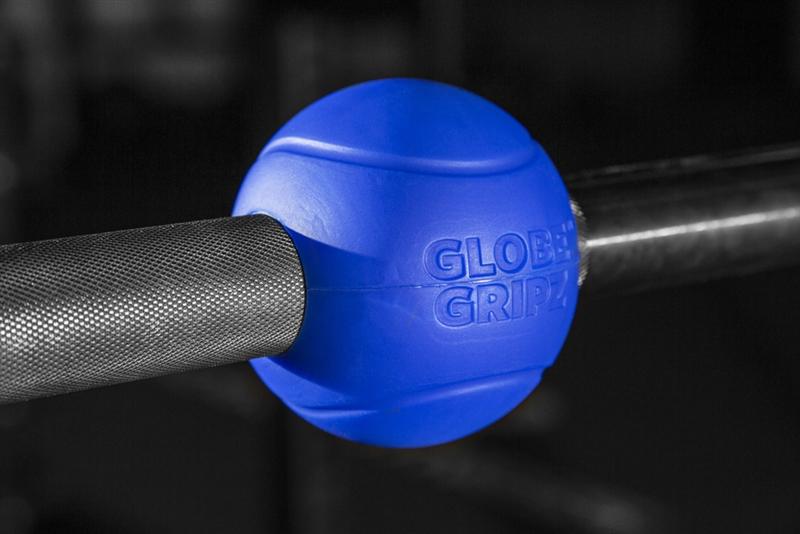
Fat bar training can be incorporated into a variety of exercises to enhance grip strength. The increased bar diameter forces your hands and forearms to work harder, leading to improved grip strength over time.
Here are some exercises you can try with a fat bar:
Incorporating thick bar workouts into your general pull and curl exercises can significantly enhance your grip strength. It's also beneficial for similar physical activities, be it sports or work-related tasks. You might also want to think about sporadically using thick bars for less conventional lifts to alter the exercise dynamics. Clean and press is a fantastic example to begin with (but start with lighter weights!).
Remember, the key to fat bar training is to start with lighter weights and gradually increase as your grip strength improves.
Starting with fat bar training can be a bit challenging, but with the right approach, you can make significant progress. The first tip for beginners is to start light. Fat bars require more grip strength, so it's important to start with a weight you can handle comfortably.
Another crucial tip is to maintain proper form. Fat bars can be more difficult to control than standard bars, so it's essential to focus on maintaining good form to prevent injuries. Remember, the goal is to improve grip strength and overall fitness, not to lift the heaviest weight possible.
Safety should always be a priority when engaging in any form of exercise, and fat bar training is no exception. Always ensure you have a secure grip before lifting, and avoid overexertion which can lead to injuries. If you feel any discomfort or pain during your workout, it's important to stop and rest.
Progression in fat bar training is about more than just increasing the weight. It's also about improving your grip strength and endurance. Remember to gradually increase the intensity of your workouts, and always listen to your body. Consistency is key in seeing improvements over time.
Incorporating fat bar training into your routine can significantly enhance your grip strength, muscle activation, and overall lifting capabilities. It's a challenging yet rewarding addition that can help you break through plateaus, improve your athletic performance, and achieve a more balanced and functional physique. Give it a try, and you might just find it to be your next big gain in fitness.
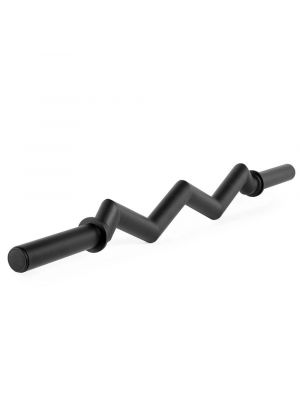
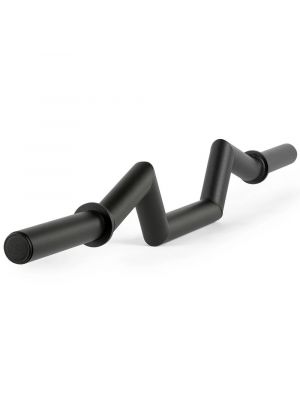
This article is a recap of a Fat Bar Training piece from 2012, originally published on the Gym Professor platform. After more than ten years, it's pleasing to observe that these tools have become a common sight in both home and commercial gyms. Below, you can find some of the products we offer.