Currency
GBP - British Pound

When it comes to setting records and recording weights lifted, precision and accuracy are key. That's why many serious lifters and athletes choose to use calibrated weights. These weights are specially designed and tested to ensure they are accurate and consistent, making them the only choice for most competitions and the preferred choice for those training for competition. In this article, we'll explore the benefits of using calibrated weights and why they are worth the investment.
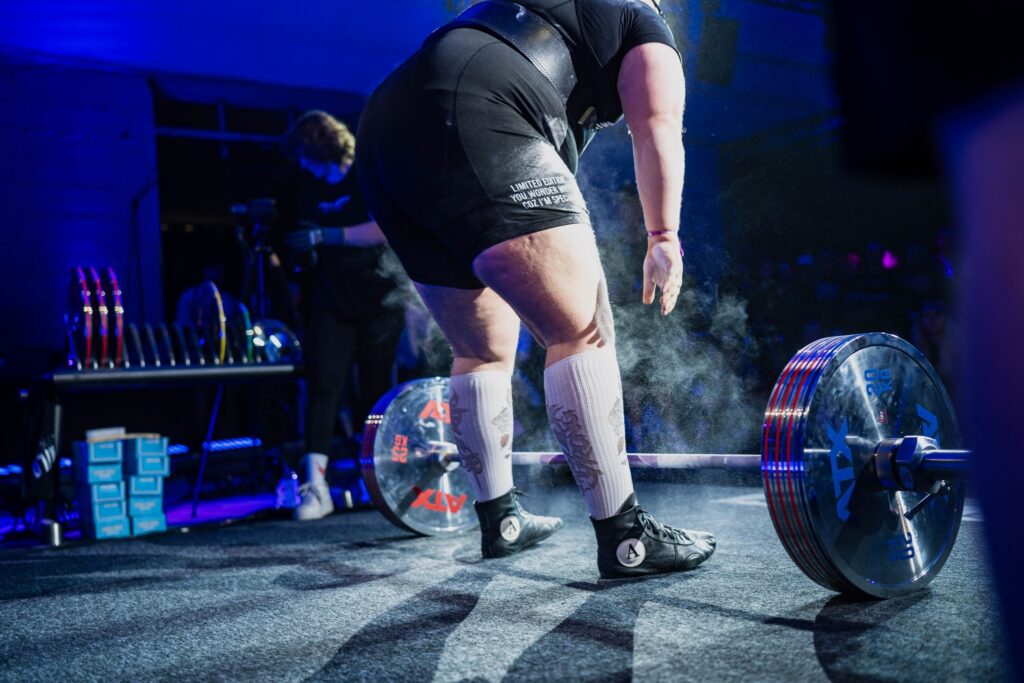
Calibrated weights are weights that have been tested and certified to meet specific accuracy standards. They are typically used in competitive weightlifting and powerlifting, where even the slightest variation in weight can make a difference and for a true record to be set, the weight needs to be accurate within a certain tolerance.
One of the main reasons to choose calibrated weights is their accuracy and consistency. These weights are tested and calibrated to ensure they meet specific weight standards, making them more precise than regular weights. This is especially important for competitive lifters who need to know exactly how much weight they are lifting in order to properly train and compete.
Another reason for competitive athletes to use competition equipment in their training is how it feels and reacts. For example, if you have a cheap orthodox 28mm olympic bar and filled with cast weights, it'll feel very different to a stiff 29mm powerlifting competition bar with super-slim calibrated weights. The movement and whip of the former will present much differently to the latter with next to no movement in the bar.
The centre hole, diameter, and weight of weight plates all have varying tolerances.
The central hole is brought up as an example because the precision for something like a powerlifting bar and weight plate is so high that if you purchased competition powerlifting plates at home to be used with a low-cost olympic curl bar, it might not properly fit. Seriously! The high-end equipment usually has a much tighter tolerance meaning it works best with other high-quality items. It would be wise to consider this before splurging on new sophisticated weight plates.
Regarding weight allowance, this is a common competition guideline - extremely tight weight allowance as per global competition norms +/- 0.25% / 10 grams. In truth, a high-quality calibrated plate is this or less. My experience with the Guinness World Records provides some perspective on this...
In 2019, we coordinated a Guinness World Record attempt for the Heaviest Seated Deadlift with army veteran Martin Tye during our North Somerset's Strongest Man event. The event received coverage from the Guinness World Record team. All equipment was new, straight out of the ATX factory and officially certified. In addition, I had to ensure the weights were independently inspected and approved by our local Tesco branch manager (weighed using calibrated food scales), before the final test by the Guinness World Record official with their calibrated scales at the event. All weights were less than the 0.25% / 10 grams permitted tolerance - they were virtually spot on (precise!).
If you plan on competing in weightlifting or powerlifting competitions, you will need to use calibrated weights. These weights are approved by organisations such as the International Powerlifting Federation (IPF) and are required for official competitions. Using calibrated weights ensures a level playing field for all competitors and eliminates any discrepancies in weight measurements.
Often, organisations utilise weights from certified companies and also suggest gear for your training. Similar to IPF, this is achieved via endorsement and sponsorship. We take pride in providing the two leading global powerlifting organisations, IPF and the World Powerlifting Congress (WPC), with approved gear from our ATX and JAWS product lines.

Calibrated weights are made with high-quality materials and are built to last. They are designed to withstand heavy use and maintain their accuracy over time. This means you won't have to worry about replacing your weights frequently, making them a cost-effective option in the long run.
In fact, the 505kg set that we utilised for the Guinness World Record is still in use at our gym every day and has been a part of numerous competitions since.
Calibrated weights are not just for competitive lifters. They can also be used for a variety of other purposes, such as weight calibration for scales and other equipment. This makes them a valuable tool for laboratories, industrial settings, and even home gyms. Calibrated weights are frequently sold by us to entities such as the film industry, scientific institutions, and fishing clubs.
With calibrated weights, you can be confident that you are getting accurate and consistent measurements every time.

Whether you are a competitive lifter or just looking for more accurate and consistent weightlifting and powerlifting equipment, calibrated weights are a great choice. They offer a level of precision and reliability that regular weights simply cannot match. So if you want to take your lifting to the next level, consider investing in calibrated weights. Your training and competitions will thank you for it.
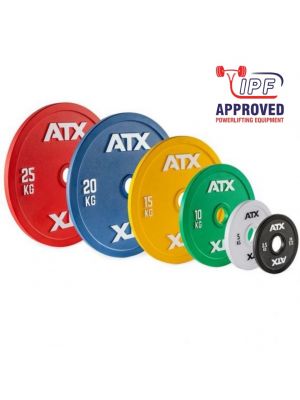

Starting at £14.99 £12.49


