Currency
GBP - British Pound

If you're looking to build a strong and shapely backside, hip thrusts are a popular exercise choice for your workout routine. That said, I've always enjoyed a muscular behind thanks to heavy squats. Regards Hip Thrusts, it can be challenging to know how to perform them correctly and get the most out of this glute-building exercise. Brett Contreras is a good resource, seeing as he's largely credited with introducing this exercise to the mainstream.
In this article, we'll dive into the world of hip thrusts and explore how to maximise your glute gains with this powerful exercise.
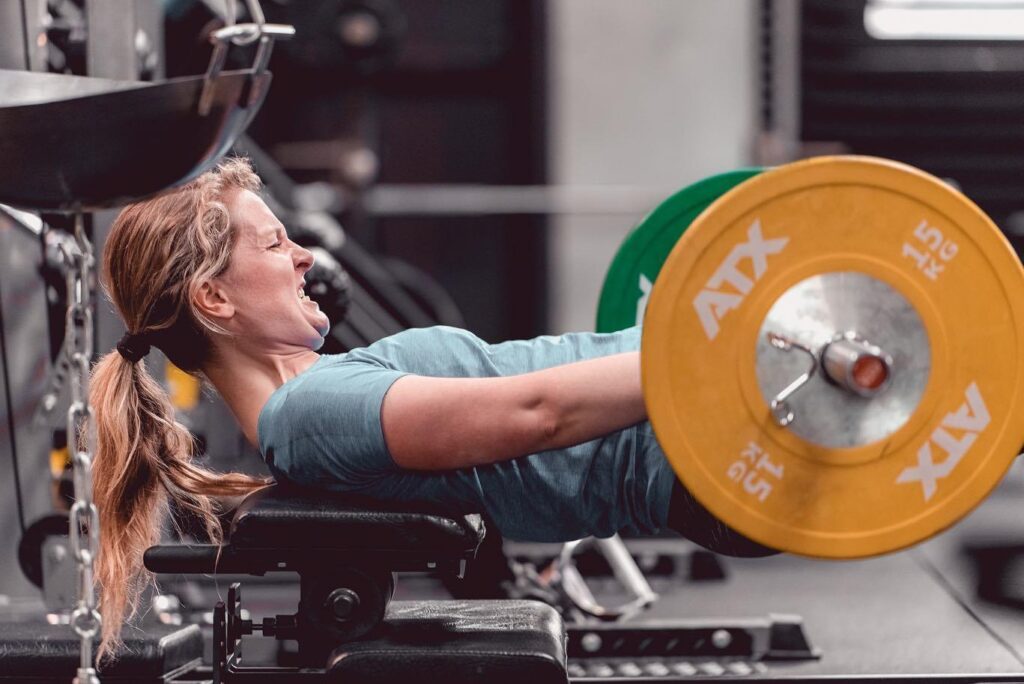
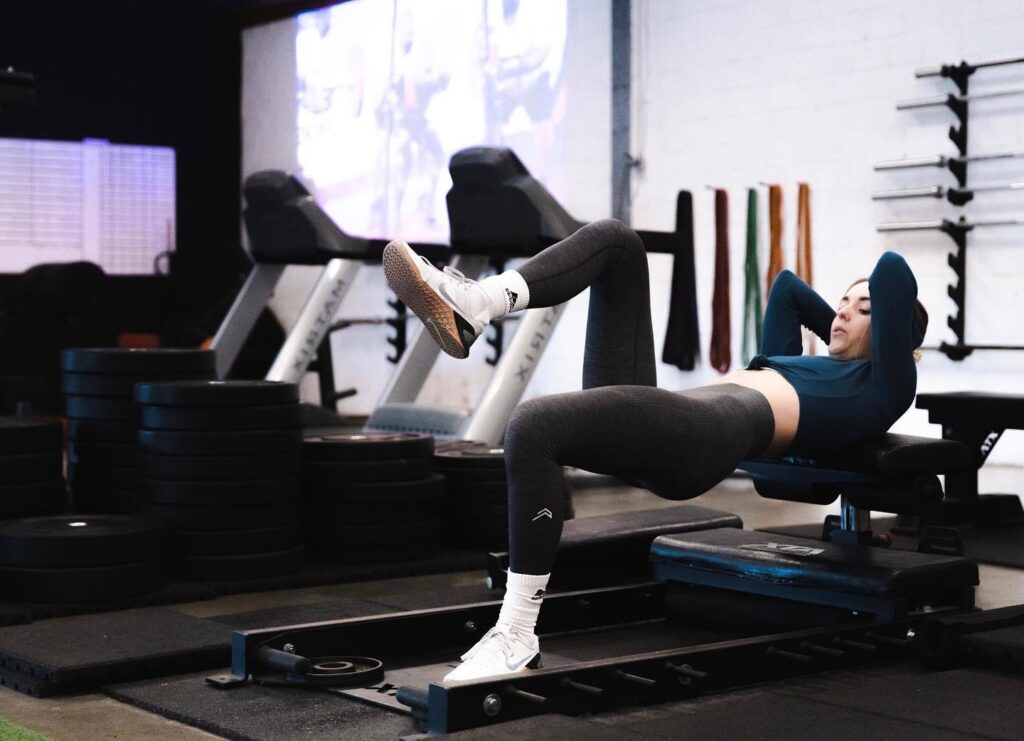
Hip thrusts are a compound exercise that targets the glute muscles, specifically the gluteus maximus. They involve thrusting your hips upward while lying on your back with your feet planted on the ground and a weight resting on your hips. The start and mid-position is similar to a glute bridge, but with emphasis on weight and the thrust, so a far more forceful movement, compared to a glute bridge.
To perform hip thrusts, follow these steps:
It's essential to maintain proper form throughout the exercise to avoid injury and get the most out of your hip thrusts. Keep your feet planted firmly on the ground, and avoid arching your back or using momentum to lift the weight.
One common concern raised online about hip thrusts is whether they can hurt your ovaries. The short answer is no, hip thrusts should not hurt your ovaries. I've never known anyone ask this same question in the actual gym environment, so I suspect it's a spread of misinformation online.
The myth that hip thrusts can hurt your ovaries likely stems from the fact that the exercise involves placing weight on your hips. However, the weight is not resting directly on your ovaries, and the movement of the exercise does not put any pressure on them.
If you experience any discomfort while performing hip thrusts, it's essential to check your form and make sure you're not putting too much pressure in the wrong areas. If the discomfort persists, leave the exercise alone and consult with a professional.
If you're still concerned about the weight resting on your hips during hip thrusts, there are alternative ways to perform this exercise.
One option is to use a resistance band instead of a barbell. Place the band around your hips and perform the same movement as you would with a barbell. This option reduces the weight on your hips and can be a great way to ease into hip thrusts if you're a beginner.
Another alternative is to try a hybrid of the hip thrust and glute bridge, so less weight and more control, but not holding the position for anything more than a couple of seconds.
Using a bench or elevated surface for hip thrusts can be beneficial for several reasons.
First, it allows you to focus on form and technique without worrying about balancing a barbell or weight. This can be especially helpful for beginners or those with lower back issues.
Second, using a bench or elevated surface can increase the range of motion of the exercise, allowing for a deeper contraction of the glutes.
Lastly, using a bench or elevated surface can make it easier to add weight to your hip thrusts. You can place a barbell or weight plate on your hips without worrying about it slipping off or causing discomfort.
As mentioned earlier, generic gym benches may not be ideal for performing a hip thrust due to their height and the lack of side support for weighted exercises. Thus, stability can become an additional concern. It's advised to use a dedicated hip thrust bench at the gym (many fitness centers nowadays provide these) or consider an accessory like the HIP-RAK attachment. This attachment is compatible with most power racks, making it an excellent choice if you workout at your home gym.
Now that we've covered the basics of hip thrusts let's explore how to maximise your glute gains with this exercise.
Progressive overload is the key to building muscle and strength. It involves gradually increasing the weight, reps, or sets of an exercise over time to continue challenging your muscles and promoting growth.
When it comes to hip thrusts, aim to increase the weight you use or the number of reps you perform each week. This will ensure that your glutes are continually being challenged and will lead to maximum gains.
While the traditional barbell hip thrust is an excellent exercise for targeting the glutes, incorporating different variations can help you target different areas of your glutes and prevent boredom.
Some variations to try include:
Incorporating these variations into your routine can help you target different areas of your glutes and keep your workouts exciting.
No matter how many hip thrusts you do, you won't see results if you're not fueling your body with the right nutrients. Make sure you're consuming enough protein to support muscle growth and eating a balanced diet to provide your body with the energy it needs to perform hip thrusts and other exercises.
Consistency is key when it comes to seeing results from any exercise. Make sure you're incorporating hip thrusts into your workout routine regularly and challenging yourself with progressive overload. Be sure to include other compound lifts in your training regimen, too, such as Squats.
To get the most out of your hip thrusts, it's essential to avoid these common mistakes:
Hip thrusts are a powerful exercise for building strong and shapely glutes. By incorporating progressive overload, different variations, and maintaining proper form, you can maximise your glute gains with this exercise. Remember to be consistent and fuel your body with the right nutrients to see the best results. Happy thrusting!