Currency
GBP - British Pound

When it comes to setting up a gym, one of the most overlooked items (& costs!) is gym flooring. Please make sure that this is not you!
When choosing the right gym flooring, it's important to consider your specific needs. Are you setting up a high-intensity gym, a functional space, or a martial arts studio? Do you need a surface that can withstand heavy equipment or one that provides a cushioned surface for floor exercises? Understanding your needs will help you narrow down your options and choose the best flooring for your space.
For the purposes of this article, we'll assume a gym as in one with freeweights and gym machines.
With so many options available, it can be overwhelming to make the right choice. That's why we've put together this guide to help you choose the perfect gym flooring for your space.
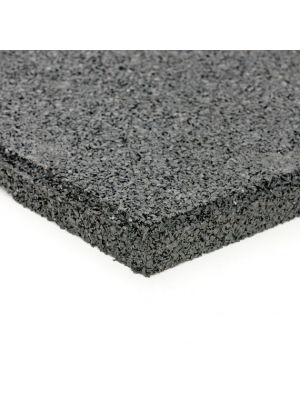
Rubber gym flooring is a popular choice for many gym owners due to its durability and shock-absorbing properties. It is also slip-resistant, making it a safe option for high-intensity workouts. Rubber gym flooring comes in a variety of forms, including interlocking tiles, stable mats, and rolls. It is also easy to clean and maintain, making it a practical choice for busy gym owners.
Gym flooring rolls are a cost-effective option for larger gym spaces. They are typically made from rubber or vinyl and come in a variety of thicknesses. Gym flooring rolls are easy to install and provide a seamless surface for workouts. They are also durable and easy to clean, making them a practical choice for high-traffic areas.
Even though it's a common standard in many gyms to use rubber flooring rolls, I personally am not a fan for the main gym area. However, I do prefer commercial vinyl for spaces like locker rooms.
The reason, with heavy gym equipment stations, they can move in time with their continued use.
Rubber gym flooring rolls can subsequently result in rucking or bulging, causing a wear spot or a trip hazard. Neither is desirable and this can lead to a costly job replacing. For this reason alone, I prefer loose lay gym tiles, which can simply be rest, if this event of heavy gym equipment moving occurs.
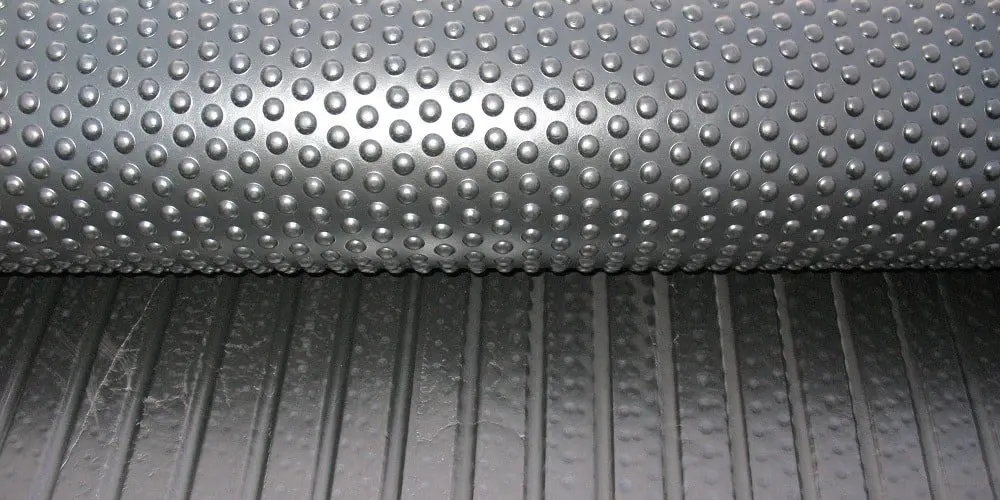
Stable mats, also known as horse mats, are widely used for gym flooring because of their robust nature and shock absorption capabilities. They are made from heavy-duty rubber and are designed to withstand heavy use and high-impacts, such as in a gym environment. Stable mats are also easy to clean and maintain, making them a practical choice for busy gym owners.
On the other hand, a lot of stable mats, which are designed for stables and emit odour and chemicals, may not be well-suited for indoor training setups, although they're acceptable for usage in a well-ventilated stable.
Stable mats can also be delivered greasy, due to a leftover oil residue applied to avoid mould build up, which is not great underfoot in a gym environment, even if the oil does dissipate over time.
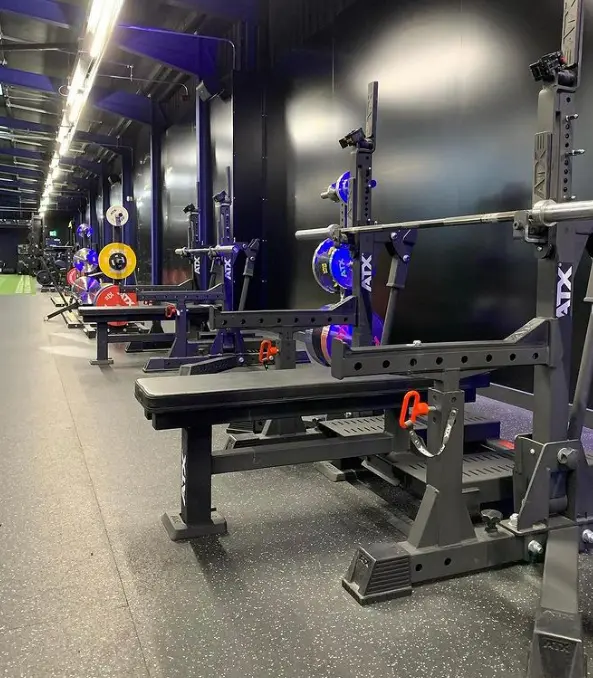
I've already referenced that loose lay gym tiles are my preferred option. For me, they present the positives of a rubber gym flooring roll and stable mats, without the discussed negatives.
There's many options of gym tiles. My recommendation is to go for a gym tile which offers a mix of firmness underfoot with good impact-absorption. Do not be fooled into thinking that thicker is better, as it may be too spongy underfoot, or that thinner should be selected due to being cheaper, as this may result in an increased cost to bond it to the floor, as well as not performing as well as you'd like.
A loose lay gym tile also offers the unique benefit of being easy to swap out, should you have a damaged tiles, or changing or increasing the space, as you can easily pick them up and move them or increase the surface area of a floored space.
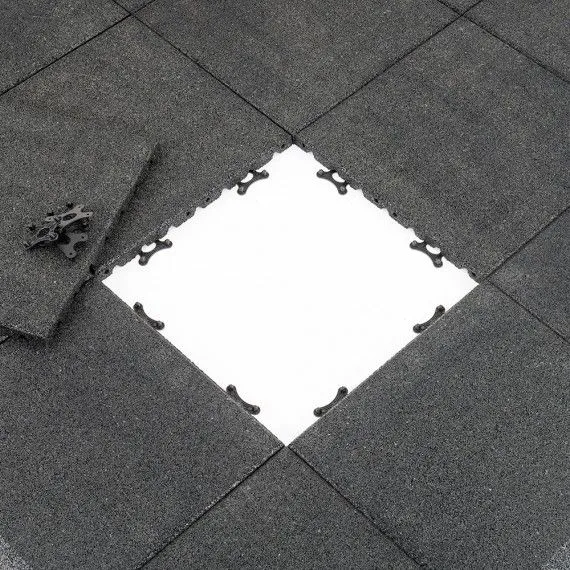
Gym flooring can be a significant investment, so it's important to consider your budget when making a decision. While rubber gym flooring may be an unwanted gym expense upfront, they are durable and long-lasting, making them a cost-effective option in the long run. They may even save you money in avoiding damages to your gym equipment and floor beneath.
By considering your needs and budget, you can choose the perfect gym flooring for your space. If budget will not allow you to floor the entire gym, why not stick to known problem areas (such as dumbbell and barbell areas) to limit your initial costs. You can always add further gym flooring, later.
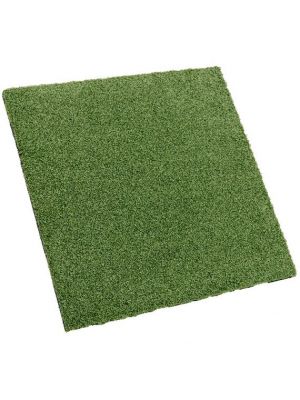
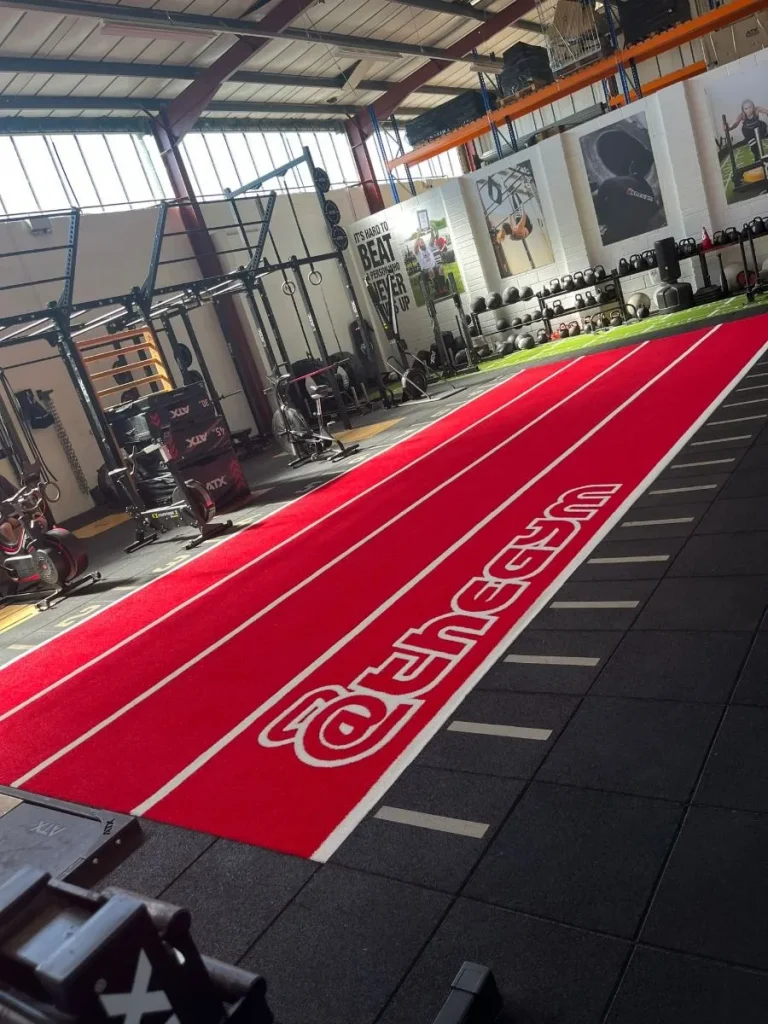
Gym Tiles are ideal for integration into various gym areas, be it merging with tracks in a functional space or a softer flooring like Tatami mats in a martial arts zone.
Please find other articles or speak to us for further advise. You are also welcome to visit us. Our showroom is a fully-functioning community gym, so we practice what we preach. 😊👍

Starting at £12.95 £10.79