Currency
GBP - British Pound

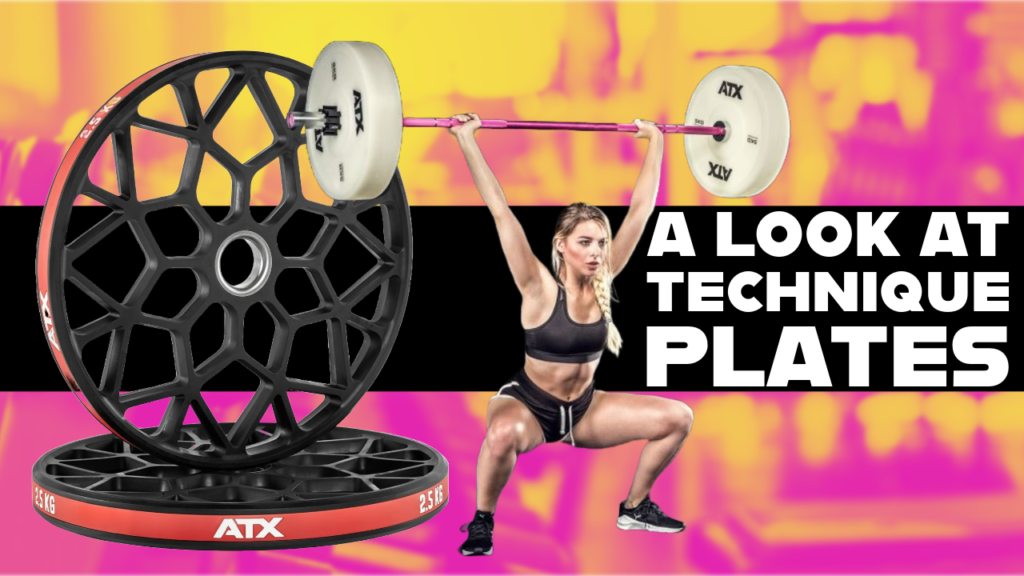
In the world of weightlifting, mastering the right technique is crucial. It's the foundation of safe and effective lifting.
Technique Olympic weight plates are a key tool in this learning process. They're designed to help beginners and intermediate lifters perfect their form.
These plates come in a variety of materials, each with its unique benefits. From polyethylene to rubber and plastic, and even wood, there's a technique plate for every lifter's needs.
One popular modern-day choice is the ATX Venum Olympic Weightlifting Technique Bumper Plate. It's renowned for its quality and performance, seeing as it's still a "bumper" plate, which most technique plates are not.
Technique plates aren't just for Olympic lifts. They can be incorporated into a wide range of exercises, enhancing your overall training regimen.
Join us as we delve into the world of technique Olympic weight plates, exploring their benefits, types, and how to use them effectively in your workouts.
Technique Olympic weight plates are essential for learning weightlifting fundamentals. They help lifters perfect their movements safely. These plates are usually lighter than standard weight plates. This allows lifters to focus on form without the pressure of heavy weights.
Technique plates simulate the size of competition plates. This provides a realistic training environment. They are commonly used by beginners but can also benefit experienced lifters. Professionals use them to hone specific skills and muscle memory.
These plates are versatile, making them a valuable addition to any gym, as they can accommodate technique training and junior and beginner lifts. They're designed to work with Olympic barbells, which are standard practice in lifting, today.
Using technique plates comes with numerous advantages for lifters. They enhance learning and safety. These plates play a critical role in developing proper form. They also reduce injury risk by allowing controlled practice.
A few key benefits include:
Technique plates offer a supportive environment. They help build confidence in new lifters. This encourages experimentation with new exercises. The plates are adaptable, fitting into various training regimens.
Technique plates come in diverse materials. Each type offers distinct advantages. Understanding these differences helps in selecting the right plate.
Polyethylene plates are a popular choice and often seen in top-end lifting facilities. They are known for their durability. Similarly, bumper technique plates are robust and can be dropped safely. Plastic technique weight plates are lightweight. This makes them ideal for focused technique work.
There's also a unique variant: wood technique plates. These bring a different aesthetic to training. Incorporating different types of plates can diversify workouts. Wood and plastic material are used to allow for the 450mm diameter and production at an economic price. They are less durable though and not suited to dropping.
Material considerations often affect cost and longevity:
Polyethylene Technique Plates
Polyethylene plates are durable when used correctly*. They withstand rigorous training sessions. These plates are excellent for consistent practice.
Their resistance to wear and tear is well-noted. This ensures they last long in different environments.
*However, one problem factor with these expensive polyethylene plates is misuse. It only takes one person to use them on their side to elevate a loaded bar and the centre-hole can misshape, making it no longer suitable for loading. This is not that uncommon (to elevate a loaded bar start height) when factoring use for technique training and so this is a frustrating and expensive lesson to learn, regarding polyethylene plates and gym-users.
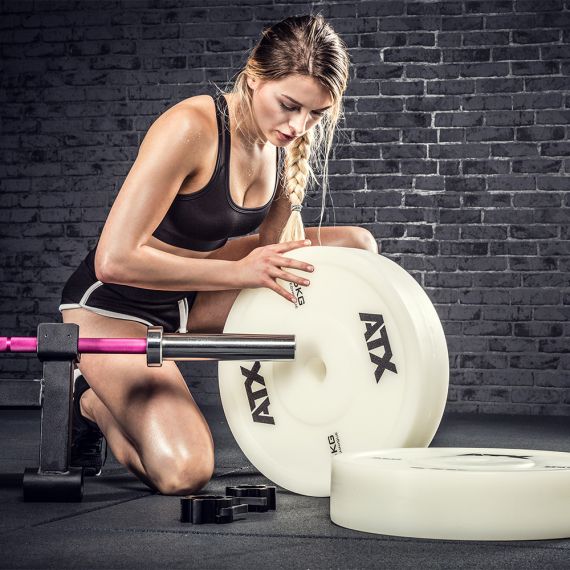
Bumper Technique Plates
Bumper plates are key for explosive lifts. They're made of high-density rubber. This prevents floor damage upon dropping. They offer a balance between durability and safety. They're commonly used in dynamic training.
However, the nature of a rubber plate means that they're typically not made at 450mm diameter less than 5kg. So, the preferred technique plate increment of 2.5kg is not an option...until recently, that is, as we welcome the ATX Venum Technique Bumper Plate, which resemble an alloy wheel from the 1990's.
Plastic Technique Weight Plates
Plastic technique plates are lightweight. They're perfect for learners focusing on form. These plates provide a softer introduction to lifting.
They're cost-effective, making them accessible for home gyms. Plastic plates are easy to handle and store. They are not suited for dropping though!
Wood Technique Weight Plates
Wood plates add a vintage feel to training. They are less common but offer unique benefits. They help to refine balance and control.
The aesthetic appeal of wood is undeniable. It can enhance any training space. They are cheap but not suited to dropping.
The ATX Venum Olympic Weightlifting Technique Bumper Plate is highly regarded. It's a top choice for serious lifters. Known for durability, it withstands high-impact drops.
These plates mimic the size of standard competition plates. This makes them ideal for practice. They help develop muscle memory needed for complex lifts.
ATX plates are also colour-coded. This allows for easy identification. With this, lifters can quickly select the right weight.
These plates are a great investment, as they avoid the compromises of other technique plate options. They enhance training quality and are purpose-made for the modern-day gym. This makes them perfect for athletes, beginners, juniors, and fitness enthusiasts aiming to improve their technique comprehensively.
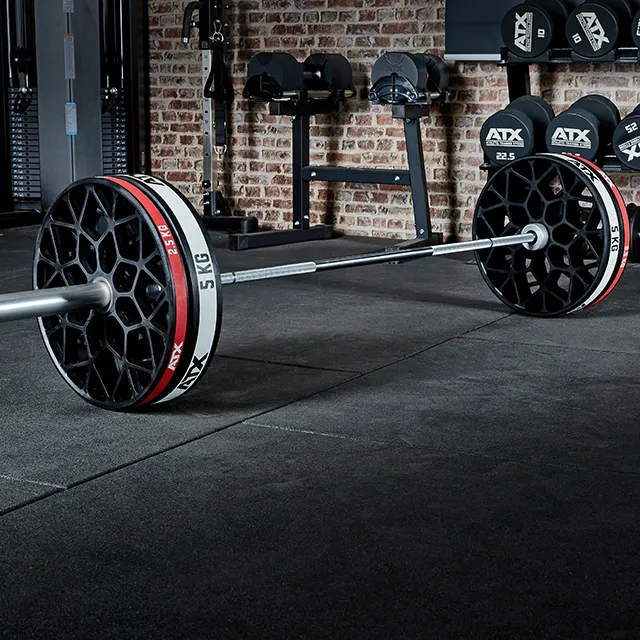
Technique Olympic weight plates can be used for a range of exercises. They provide a safe way to practice movements. Whether for beginners or advanced lifters, they offer versatility.
With technique plates, foundational movements become easier to learn. These include Olympic lifts such as the clean, jerk, and snatch. These plates are useful for strength training and foundational drills.
Here’s a list of exercises where technique plates are invaluable:
These exercises help in fine-tuning technique. They ensure that lifters can focus on exact movements without the fear of heavy weights. Practicing with technique plates builds the essential muscle memory needed for more advanced lifts.
Adding technique plates to your training is straightforward. Begin by incorporating them in warm-up routines. This helps in preparing the body and mind for heavier lifts.
Technique plates can be integrated into skill development sessions. This is beneficial, especially for new lifters. They should aim to master basic lifts before moving on.
They are also excellent for circuits and drill-based workouts. These involve repeated practice to perfect form. Using them in mobility workouts helps maintain proper movement patterns.
They can be combined with full-weight plates for progressive overload. This method gradually increases the training challenge. Lifters can use them for cool downs, focusing on technique refinement.
Technique plates aid in building a solid foundation. As skills grow, lifters can transition to heavier plates. They are essential for understanding lifting mechanics.
This progression helps in minimizing injury risks. It encourages a disciplined approach to weightlifting. With proper use, technique plates enhance performance over time.
Technique Olympic weight plates are crucial for developing proper lifting form. They support safe training by focusing on technique over weight. These plates offer a unique opportunity to build confidence in new lifters.
Integrating technique plates into workouts ensures long-term success. They are an investment in skill development and injury prevention. These plates aid in laying a strong foundation for future achievements in weightlifting.