Currency
GBP - British Pound

Looking at our frequently asked questions (FAQ's) in searches, we arrive at the below questions and subject matters. There's no daft question - you either know something or you don't! So, if there's anything you wish to ask, please let us know.
Barbells are a staple in any fitness regimen, from beginners to seasoned athletes. They offer a versatile tool for strength training, muscle growth, and overall fitness improvement.
But what makes barbells so beneficial? Why are they often preferred over other types of strength equipment like dumbbells?
In this article, we'll delve into the numerous benefits of using barbells. We'll also address common questions such as "Is a 20kg barbell enough?" and "What barbell should I choose, standard or olympic?"
Whether you're a fitness enthusiast or just starting your strength journey, this guide will provide valuable insights into the world of barbell training.
A barbell is a long metal bar used in weight training, bodybuilding, and powerlifting. It's designed to be gripped with both hands to perform various exercises.
Before the word barbell first emerged in the 19th century, there was the word dumbbell, "weighted bar used for exercise," from which the bell ending was borrowed for barbell. A "dumb-bell" was the middle bit of a bell removed to lift, making the bell silent ("dumb"), hence the origin name of a dumbbell and, in turn, a barbell being so called, even though a "barbell" name makes little sense.
Barbells come in different sizes and weights, typically ranging from 10kg to 20kg for standard bars. The weight can be adjusted by adding weight plates on either end.
Barbells offer numerous benefits for those seeking to build strength and muscle mass. They allow for the lifting of heavier weights compared to other equipment like dumbbells. This can lead to significant gains in strength and muscle mass.
Barbells are essential for performing compound movements. These include exercises like squats, deadlifts, and bench presses. These exercises work multiple muscle groups at once, leading to more efficient workouts.
Training with barbells can also improve bone density and support joint health. This is due to the load-bearing nature of barbell exercises.
Here are some key benefits of using barbells for strength and muscle growth:
One of the main benefits of barbells is the ability to lift heavier weights. This is particularly beneficial for strength training. Lifting heavier weights can stimulate muscle growth and increase strength over time.
The balanced weight distribution of a barbell allows for better control during lifts. This can lead to more effective workouts and faster progress in strength gains.
Barbells enable symmetrical muscle development. This is due to the balanced weight distribution. When you lift a barbell, both sides of your body must work equally to maintain balance.
This can lead to more balanced muscle development. It can also help prevent muscle imbalances that can lead to injury.
When it comes to maximising muscle load, barbells have an edge over dumbbells. Barbells allow you to lift heavier weights, which can put more stress on your muscles. This can lead to greater muscle growth and strength gains.
In addition, barbells can be more stable than dumbbells. This stability allows for better control during lifts, which can enhance the effectiveness of your workouts.
On the flip side, one could argue that dumbbells, which demand more stability and muscle control, are superior for engaging muscles. In reality, each has its own benefits, thus both should be incorporated into your workout routine.
Selecting the right barbell depends on your strength levels and training goals. For instance, if you're training for powerlifting or Olympic weightlifting, you'll need a specific type of barbell.
Standard 1" (25mm) barbells usually weigh between 10kg and 15kg and are ideal for regular strength training. Over the past two decades, standard bars, as well as Euro (30mm) bars in Europe, have essentially become obsolete. This is because of the widespread advancement of strength training and the need for improved equipment, specifically olympic 2" (50mm) bars with sleeves. Typically, Olympic barbells weigh 20kg and are crafted for either dynamic lifting or power lifting. Understanding the difference between these two can help you make the right choice for your training needs.
Please check out our range of hybrid training barbells and specific training barbells, such as weightlifting and powerlifting bars.
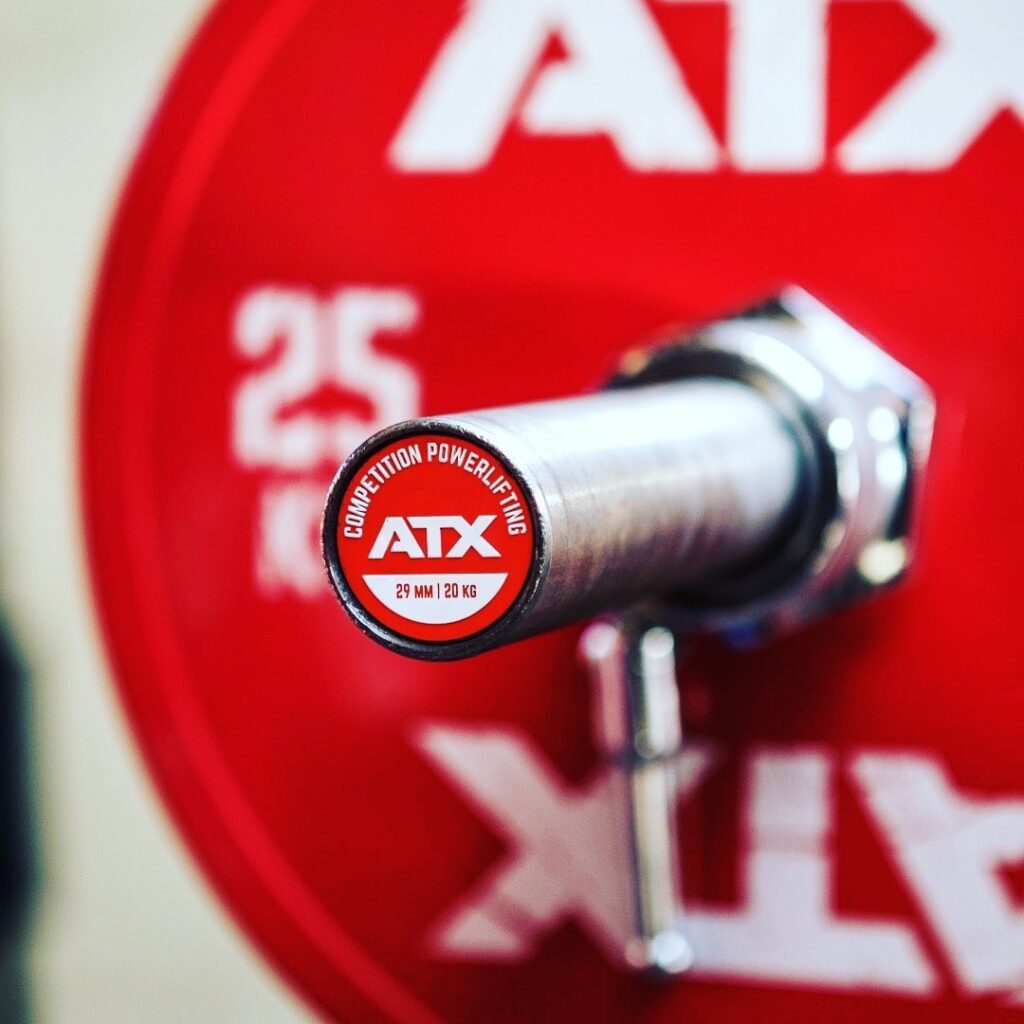
A 20kg barbell is often a good starting point for beginners to hone in their technique and is a sensible starting warm-up weight for experienced lifters.
As you progress, you can incrementally increase the weight.
A 100kg barbell deadlift is a significant achievement for many lifters. It's a testament to their strength and dedication to training. Many youngsters and female lifters will now achieve a triple figure (100kg+) deadlift, with many surpassing this. For many trained men, a 100kg+ bench press is also considered an important milestone. It's important to focus on proper form and technique. This ensures safety and maximises the benefits of the lift.One persons 100kg is another's 200kg or 300kg. Remember where you've come from and concentrate on your own improvements, rather than the numbers of others. That said, you may find others around you a source of motivation and inspiration.
The above headings form our most popular searches relating to "barbells". We hope you've found our answers useful.
