Currency
GBP - British Pound

Functional strength training has become a buzzword in the fitness world, but it's much more than just a trend. It hails back to strength training of old, where heavy objects were lifted to show athletic prowess and movement patterns and mobility were desired and required outcomes of physical culture, before so many of us sat at desks for work and ran or sat on machines to exercise to simply look good. The functional strength approach to exercise is about preparing your body for real-life (or what was once real-life) movements and activities, not just improving your appearance. From athletes to office workers, functional strength training has something to offer everyone and can hopefully improve your way of life, so you can run around with your kids or step out on a rugby field, without fear of pulling something at the first movement.
In this guide, we'll explore the key benefits of functional strength training, what it involves, and how you can implement a functional strength training program into your routine. Let's dive in and discover why this type of training should be a cornerstone of your fitness regimen.
Functional strength training is a method of exercise that focuses on building strength, power, and mobility that are transferable to everyday life activities and sports. It's about training your body to handle real-life situations with ease and reduced risk of injury.
Unlike traditional weightlifting, which often isolates specific muscles, functional strength training involves compound movements that engage multiple muscle groups at once. This type of training emphasizes core stability, balance, and coordination.
Functional strength training offers a myriad of advantages for your overall health and performance. Here are some of the most significant benefits:
The primary goal of functional training is to enhance your ability to perform daily tasks. Whether it's carrying groceries, playing with your kids, or moving furniture, functional strength training prepares your muscles to work together efficiently, making these everyday activities easier and less tiring.
Functional training not only strengthens the muscles but also improves the flexibility and balance of your body. This reduces the risk of injury during both routine activities and athletic endeavors by training your body to move correctly and safely.
For athletes, functional strength training is invaluable. It helps improve performance by enhancing the body's ability to move with strength and power. Many functional exercises mimic sports-specific movements, leading to better agility, speed, and endurance on the field or court.
Functional exercises are often multi-joint, high-intensity movements that can burn a significant number of calories. When combined with a balanced diet, functional strength training can be an effective tool for weight management and body composition changes.
By engaging multiple muscle groups simultaneously, functional strength training builds overall muscle strength and endurance. This translates to improved muscle tone and functionality for a fitter, more capable body.
Functional training exercises require balance and coordination, which can enhance proprioception – your body's ability to sense its position in space. As balance and coordination improve, you'll notice enhanced body control in all aspects of life.
To get started with functional strength training, you don't need a lot of fancy equipment. Here are some of the most effective tools that can help you perform a variety of functional exercises:

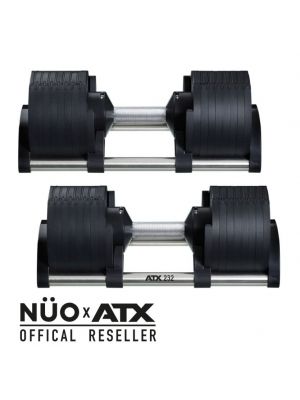
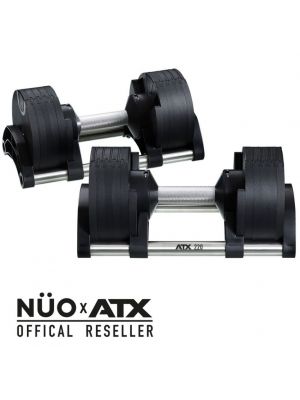
Dumbbells and kettlebells are versatile and can be used for a multitude of exercises that build strength and power. They're ideal for unilateral training, which helps address muscular imbalances and improve coordination.
These are my number 1 choice if training at home or in the gym.
A bench or a swiss ball can be used for bodyweight exercises or inconjunction with your dumbbells to add to the vast array of available exercises. Use our free download 'Home Gym Workouts' book for hundreds of exercises using just a Swiss Ball and a pair of adjustable dumbbells.
Cables or resistance bands are great for adding an extra challenge to your workouts without the need for heavy weights, providing resistance for strength-building exercises. Bands lend themselves more to mobility work and cost very little, so these are a good investment.
A suspension trainer (the most famous brand being TRX) is a portable piece of equipment that leverages gravity and your body weight to perform a wide range of exercises. These are another great choice for training at home and many gyms will feature them (or traditional gymnastic rings) among their arsenal, too.
Designing an effective functional strength training program involves incorporating exercises that target various muscle groups and replicate common movements. Here's a simple framework to follow:
My preference is warm-up sets of no weight and then progressive lighter weight of any strength related exercise workout. Some will benefit from a light cardio warm-up and/ or dynamic stretching. Understanding your body and preparing it for the workout is crucial for preventing injuries. Read our 'Warm-Up & Cool Down' and 'Stretching' articles for further information.
Include exercises like squats, deadlifts, pull-ups/ inverted rows, dips, and push-ups that work multiple muscle groups at once. These movements are the cornerstone of basic functional movement.
Balance exercises like walking lunges workouts, along with agility drills like ladder runs, can enhance coordination and reduce the risk of falls.
Core exercises such as sit-ups, rotational twists, and leg raises are vital for a strong, stable midsection that supports all other movements. I, also, include lower back exercises within this. Hyperextensions are a great introductory to advanced choice.
Performing exercises through their complete range-of-motion will help improve flexibility and mobility. You could further your sessions with stretching or yoga poses to improve flexibility and mobility. This will help with recovery and maintain a full range-of-motion.

To maximize the benefits of functional strength training, keep these tips in mind:
Like any training program, consistency is crucial. Aim to train at least two to three times a week to see significant improvements.
Gradually increase the difficulty of your workouts by adding more weight, repetitions, or complexity to the exercises. This will ensure continued progress.
Functional training should be challenging but not overwhelming. Pay attention to your body and modify exercises as needed to avoid injury or overdoing things.
If you're new to functional strength training or want to advance your program, consider working with a fitness professional who can provide personalised guidance and support.
Functional strength training is a powerful way to build a stronger, more resilient body that can handle the demands of daily life and athletic pursuits. By incorporating functional exercises into your routine and utilising the right equipment, you can enjoy the numerous benefits this training method has to offer. Remember to start slow, focus on form, and progressively challenge yourself as you become stronger and more capable. Embrace functional fitness and experience the transformative effects it can have on your strength, health, and overall well-being.


Starting at £75.00 £62.50