Currency
GBP - British Pound

Whether you're a fitness enthusiast considering opening your own gym, a current gym owner, creating a gym space at home, or someone who's simply curious about gym equipment, there are always plenty of questions to be asked. In this article, we'll cover some of the most frequently asked questions regarding gym equipment, the profitability of owning a gym, and what it takes to be successful in the fitness industry. Let's dive into the world of gym equipment and uncover the answers to these FAQs.
Without a doubt, the popularity of gym equipment can vary depending on the clientele and the type of gym. This is true both at home or in a commercial environment. However, in a commercial gym, some pieces are almost universally favoured. Treadmills, stationary bikes, and free weights often see the most use. They are versatile, easy to use, and cater to both beginners and advanced gym-goers.
For strength training, aside from benches, dumbbells and barbells, machines like the chest press, leg press, and cable machines are commonly sought after. They provide a controlled environment to target specific muscle groups.
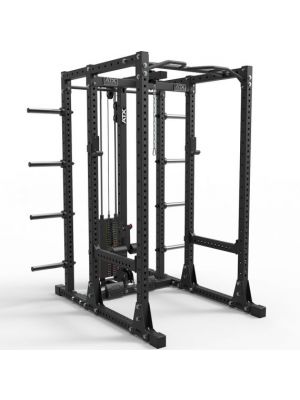
For those passionate about strength training, the basic setup for a home gym typically begins with a bar, weights, a bench, and a power rack. Additional equipment often includes dumbbells and a cable attachment for the rack - a common starting point for many home gyms. For those less concerned about budget, a multigym that includes all the previously mentioned equipment is usually the preferred choice. It actually offers great value for money, when you break it down, especially for those who can afford the initial investment.
The effectiveness of gym equipment is subjective and depends on individual fitness goals. For cardiovascular health, treadmills, ellipticals, and stationary bikes are excellent choices. When it comes to strength training, free weights like dumbbells and barbells allow for a full range of motion and engage more stabilising muscles, which can lead to more significant strength gains.
However, it’s important to remember that the most effective gym equipment is the one that you use consistently and correctly. No matter how advanced a piece of equipment is, it won't be effective if it's not used regularly or if exercises are performed with poor form.
For a commercial gym to cater to a wide audience, it's essential to have a mix of cardiovascular machines, strength training equipment, and a variety of free weights. It's also beneficial to include functional training gear like kettlebells, medicine balls, and resistance bands, which can add diversity to workouts and cater to current fitness trends.
The above said, many commercial ventures now follow more niche markets, such as small group training, personal training studios, class offerings, CrossFit gyms. These customised services necessitate a slightly streamlined requirement of gym equipment. This also implies reduced setup and operational expenses, aiming for a larger expenditure per customer.
For home gym owners, the best piece of equipment is one that fits your space, budget, and fitness objectives. A multipurpose piece like a power rack can be a wise investment as it allows for a variety of exercises including squats, bench presses, and pull-ups. For those focusing on cardio, a treadmill or a stationary bike could be the best fit.
I strongly suggest opting for quality, regardless of your purchase. As the saying goes, buy cheap, buy twice. We only offer our preferred choices of kit for exactly this reason, namely ATX and JAWS for strength equipment and Life Fitness and Concept2 for cardio.
Also, be thoughtful in choosing your gym equipment from the beginning. For instance, if you are certain that you'll want to add attachments to your bench in the future, like a leg extension or a preacher curl pad, avoid purchasing a different bench without these features simply because it's less expensive.
Owning a gym can be profitable, but it's not without its challenges. The initial investment can be significant when considering the cost of leasing a space, purchasing equipment, and building works. Operational costs such as utilities, staff wages, insurance, and equipment maintenance also add up.
The number of members needed for a gym to be successful depends on various factors, including membership fees, overhead costs, and the size of the gym. Generally, a gym needs to maintain a balance between the number of members and the capacity of the facility to provide a positive experience.
From the start, create a business plan. The business plan should factor all of the above, plus a generous contingency, so you know the numbers from the outset. The plan will also set clear in your mind what you'll need to achieve. For example, 300 members at £40 a month to break even. 500 members may mean an increase in all costs, resulting in 400 being your break even point and 100 members profitable, etc.
The answer to this question relies on long-term considerations. While gym memberships can be a recurring monthly expense, the upfront cost of purchasing gym equipment for home use can be hefty. However, over time, owning your own equipment may prove to be cheaper, especially if you use it regularly and maintain it well.
It's important to weigh the cost against the convenience and variety of equipment available at a gym. Some may find the social environment and access to fitness classes are worth the ongoing membership fees. So, consider not only the cost, but what's right for you and what you'll be most inclined to use and benefit from the most.

Maintaining a steady stream of members is considered the hardest part of owning a gym. However, if you retain your members through excellent customer service, great gym equipment, creating a welcoming environment, and helping them achieve their goals; then, retention rates are better and they'll be far more likely to recommend you to friends and family. Therefore, do a good job and be nice, and people will keep coming.
For me, both the hardest and easiest part of owning a gym is when your passion becomes a job. You'll work tirelessly to make it work, but make sure you continue to enjoy doing so, by keeping up with your training and doing things gym-related that interests you, too.
As mentioned above, buy the right equipment in the first instance - decent quality and what you know you want long-term.
For extended durability, it's essential to use the equipment correctly and carry out regular checks. If you and your team are gym users, this is an effective method to identify potential problems before they escalate - don't disregard issues such as a deteriorating cable, a loose bolt, or resistance on a guide rod. If you and your team notice the issues when training, your members will have also, so it's good practice and good service.
Gym equipment maintenance can range from simple tasks like tightening screws and lubricating moving parts to more complex procedures like replacing cables or worn-out pads. Cardio machines sometimes require belt adjustments and calibration to keep them running smoothly.
Gym equipment plays a pivotal role in the success of a fitness facility. Understanding what equipment is popular, necessary, and most effective can help you make informed decisions whether you're setting up a gym or looking to improve your home workout space.
While owning a gym can be profitable, it requires careful planning, a solid business plan, and a commitment to quality and maintenance, as well as superb customer service. If you’re considering the gym lifestyle, whether as an owner or a member, these FAQs should provide a clearer path forward in your fitness journey.
In conclusion, the fitness industry is dynamic and owning a gym can be a rewarding venture for those passionate about health and wellness. By staying informed and responsive to the needs of your clientele, you can create a thriving environment that helps people achieve their fitness goals while also building a profitable business.
Matt AKA Gym Professor